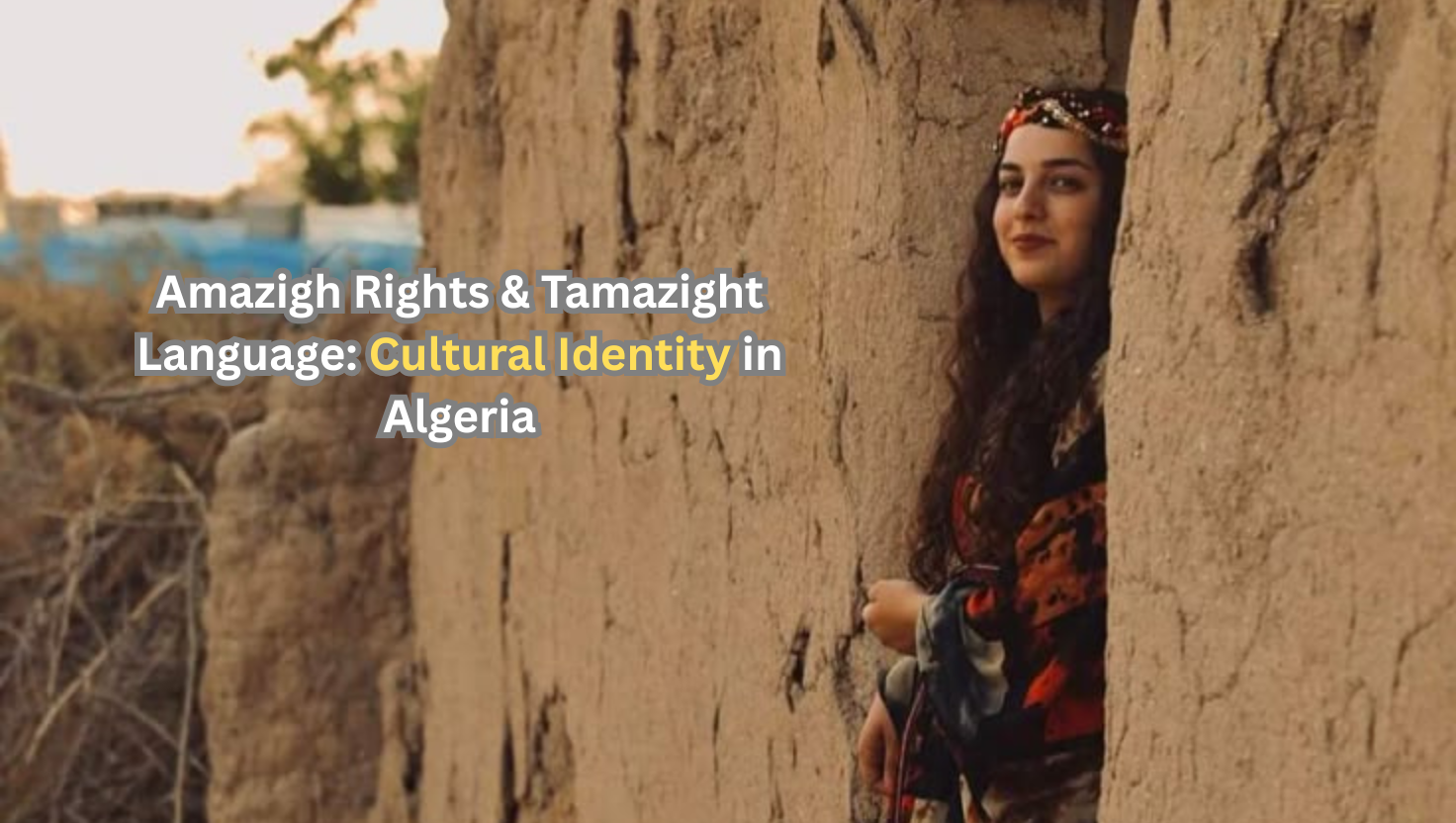

The Amazigh people, indigenous to North Africa, represent a rich and vibrant part of Algeria’s cultural heritage. For decades, their quest for recognition, linguistic rights, and preservation of their traditions has shaped the social and political discourse in the country. Algeria Journal sheds light on the importance of Amazigh rights and the revival of the Tamazight language, highlighting the ongoing efforts to safeguard this heritage for future generations.
- Historical Background of the Amazigh People
- Legal Recognition of Amazigh Rights in Algeria
- Role of Tamazight in Education
- Cultural Significance of Tamazight Language
- Tamazight in Media and Communication
- Challenges Facing Amazigh Rights Today
- Steps Toward Strengthening Amazigh Identity
- Role of Civil Society and Community Initiatives
- Global Perspective: Amazigh Rights Beyond Algeria
- Technological Innovations Supporting Tamazight
- Promoting Amazigh Culture Through Tourism
- Integration of Tamazight in Governance
- Future Prospects for Amazigh Rights and Language
- FAQs About Amazigh Rights & Tamazight Language
- Why is Tamazight important in Algeria?
- How has Algeria legally recognized Amazigh rights?
- Are there schools that teach Tamazight?
- How can technology support Tamazight learning?
- What role do communities play in promoting Amazigh rights?
- Conclusion
Tamazight, the native language of the Amazigh, is not merely a means of communication; it is the cornerstone of a cultural identity that has survived centuries of change and challenge. Understanding its role in education, politics, and daily life is essential for appreciating the broader cultural landscape of Algeria. Through this comprehensive article, Algeria Journal explores the milestones, challenges, and future prospects of Amazigh rights and the Tamazight language.
Historical Background of the Amazigh People
The Amazigh, also known as Berbers, have inhabited North Africa for millennia. Their history spans ancient civilizations, trade routes, and interactions with successive empires, all of which have contributed to a unique cultural tapestry. Despite periods of marginalization, the Amazigh identity has endured, preserving traditional music, art, and language.
Tamazight itself has several dialects across Algeria, reflecting regional diversity. These dialects serve as a living testament to the resilience of the Amazigh people, reinforcing their connection to the land, history, and community values.
Legal Recognition of Amazigh Rights in Algeria
Algeria has made significant strides in recognizing Amazigh rights. Constitutional reforms have acknowledged Tamazight as a national language, alongside Arabic. This landmark recognition marks a crucial step in preserving cultural heritage and promoting inclusivity.
Legal recognition allows for the development of Tamazight in public life, education, media, and administrative functions. It ensures that future generations can learn and use their native language freely, strengthening the cultural fabric of the nation.
Role of Tamazight in Education
Education plays a pivotal role in the preservation of Tamazight. Schools across Algeria have begun introducing Tamazight courses, enabling students to connect with their linguistic heritage. Teaching the language from an early age fosters pride in cultural identity and promotes literacy in Amazigh dialects.
Key initiatives include the development of textbooks, teacher training programs, and educational broadcasts in Tamazight. These programs also highlight the contributions of Amazigh culture to Algerian history, instilling respect and appreciation among students.
Cultural Significance of Tamazight Language
Tamazight is more than a language; it is the heartbeat of Amazigh traditions. From folklore and oral storytelling to music and festivals, Tamazight preserves the collective memory and artistic expression of the community.
Understanding Tamazight provides insight into the social norms, values, and worldview of the Amazigh people. The language encapsulates concepts of communal life, harmony with nature, and historical continuity, which are often lost in translation.
Tamazight in Media and Communication
The rise of media platforms in Tamazight has further strengthened its presence in modern Algeria. Television channels, radio stations, and digital platforms now broadcast in Tamazight, providing content ranging from news and documentaries to cultural programs.
This media representation allows Amazigh communities to voice their perspectives and participate actively in national discourse. It also educates broader society about the importance of linguistic diversity in Algeria.
Challenges Facing Amazigh Rights Today
Despite progress, challenges remain. Some regions still face limited access to Tamazight education and media. Political debates continue over the implementation of language policies, and there is a need for greater institutional support to ensure consistent progress.
Social attitudes also play a role. Encouraging wider acceptance and pride in Amazigh culture requires public awareness campaigns, intercultural dialogue, and active promotion of inclusivity in everyday life.
Steps Toward Strengthening Amazigh Identity
To safeguard Amazigh rights and Tamazight language, several practical steps can be taken:
- Expanding Tamazight literacy programs in schools and universities.
- Supporting research and documentation of regional dialects.
- Promoting cultural festivals that celebrate Amazigh traditions.
- Encouraging media coverage of Amazigh achievements and stories.
- Building partnerships between government, civil society, and local communities to implement language policies effectively.
A structured approach ensures the sustainability of Amazigh heritage while fostering national unity.
Role of Civil Society and Community Initiatives
Community organizations and NGOs have been instrumental in promoting Amazigh rights. Grassroots initiatives often focus on cultural preservation, educational workshops, and advocacy for language policies.
Through volunteer programs, language classes, and cultural events, civil society empowers Amazigh youth and ensures the transmission of knowledge across generations. These initiatives complement government efforts and foster a sense of ownership within the community.
Global Perspective: Amazigh Rights Beyond Algeria
The Amazigh diaspora worldwide continues to advocate for cultural recognition and language preservation. Communities in Europe, North America, and the Middle East organize cultural events, online courses, and research programs to maintain their heritage.
This international dimension amplifies the call for recognition and encourages cross-cultural understanding. It also strengthens networks for knowledge exchange and collaborative projects in cultural preservation.
Technological Innovations Supporting Tamazight
Technology has become a valuable tool in preserving and promoting Tamazight. Mobile apps, online dictionaries, language learning platforms, and social media communities help connect speakers globally.
Digital tools provide innovative ways to document dialects, share literature, and encourage younger generations to learn Tamazight. This approach ensures the language evolves alongside modern communication trends without losing its authenticity.
Promoting Amazigh Culture Through Tourism
Tourism plays a crucial role in highlighting Amazigh heritage. Visitors to Algeria can experience traditional music, crafts, and festivals that reflect the richness of Amazigh culture. Guided tours, cultural museums, and interactive experiences provide both education and economic opportunities for local communities.
Promoting cultural tourism not only preserves heritage but also fosters cross-cultural appreciation and sustainable development.
Integration of Tamazight in Governance
The integration of Tamazight into official governance structures is key to achieving equality and representation. Local councils, administrative offices, and public services increasingly incorporate Tamazight, enabling citizens to communicate effectively in their native language.
Institutional support ensures that language rights are respected in legal, social, and civic domains, reinforcing the sense of belonging for Amazigh citizens.
Future Prospects for Amazigh Rights and Language
The future of Amazigh rights and Tamazight language looks promising. With constitutional recognition, educational initiatives, community engagement, and technological tools, the preservation and promotion of Amazigh culture can continue to thrive.
Sustained efforts in advocacy, policy implementation, and public awareness are essential. Algeria Journal emphasizes that collective responsibility and respect for diversity will secure the legacy of the Amazigh people for generations to come.
FAQs About Amazigh Rights & Tamazight Language
Why is Tamazight important in Algeria?
Tamazight preserves the cultural identity, history, and traditions of the Amazigh people, reflecting centuries of heritage in Algeria.
How has Algeria legally recognized Amazigh rights?
Constitutional reforms officially recognize Tamazight as a national language, granting it space in education, media, and governance.
Are there schools that teach Tamazight?
Yes, Tamazight is increasingly integrated into school curricula, with dedicated textbooks, teacher training, and language programs for students.
How can technology support Tamazight learning?
Digital tools such as apps, online dictionaries, and social media communities enable learners worldwide to engage with the language.
What role do communities play in promoting Amazigh rights?
Civil society organizations host cultural events, workshops, and advocacy programs, helping preserve heritage and encourage wider social acceptance.
Conclusion
Amazigh rights and the Tamazight language are vital to Algeria’s cultural and social landscape. With sustained legal recognition, educational initiatives, media presence, and community support, the Amazigh identity can flourish in modern society. Algeria Journal remains committed to highlighting these efforts, emphasizing that cultural diversity strengthens the nation and ensures a vibrant, inclusive future for all Algerians.