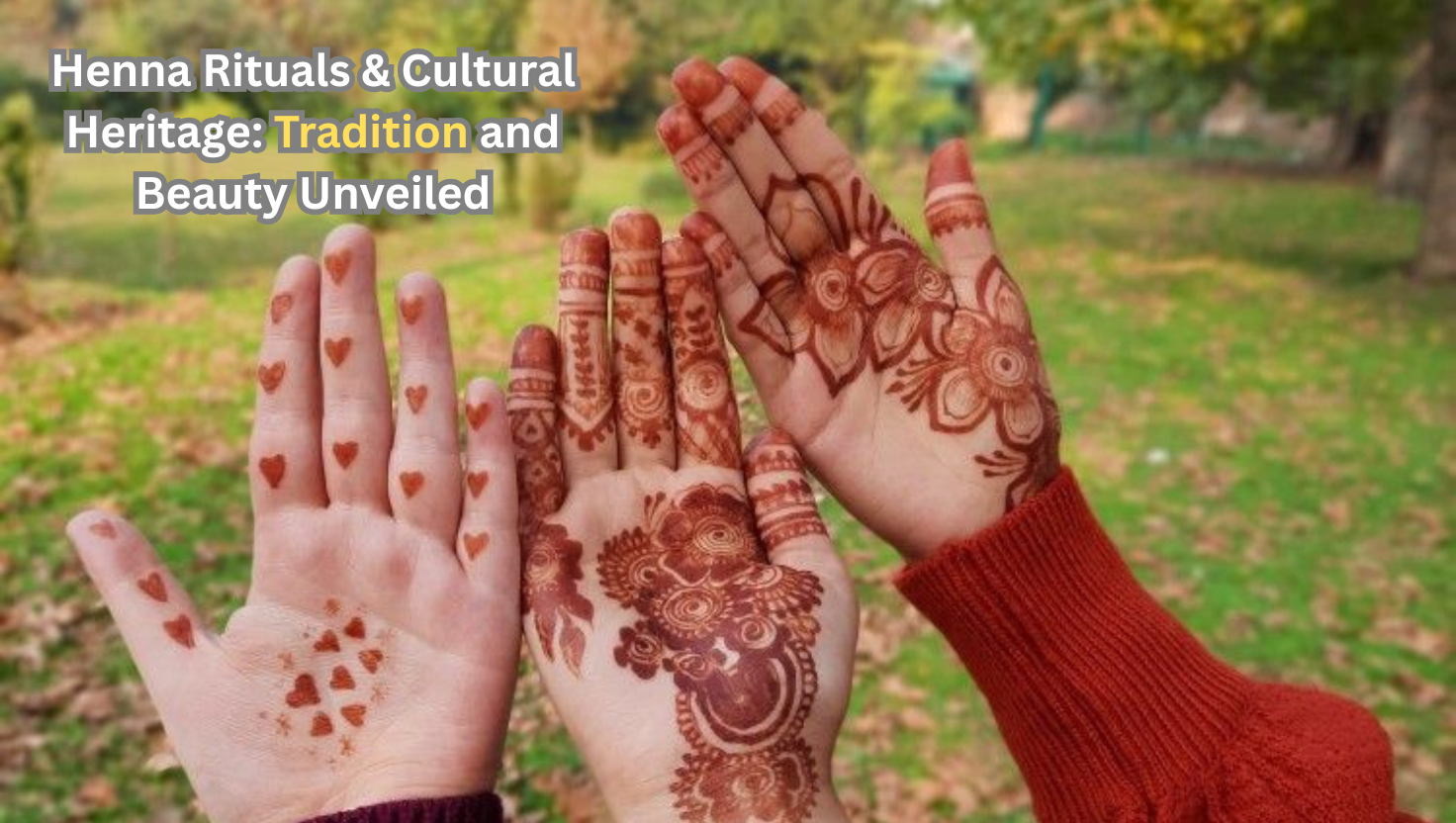

Henna rituals hold a special place in many cultures around the world, serving as a vibrant symbol of tradition, celebration, and personal expression. On Algeria Journal, we explore the depth of henna artistry and its role in preserving cultural heritage. From intricate designs to ceremonial applications, henna is more than a temporary decoration—it is a living tradition that bridges generations and communities.
- The Historical Roots of Henna
- Symbolism Behind Henna Rituals
- The Art of Henna Application
- Henna in Weddings and Celebrations
- Regional Variations of Henna Designs
- Henna as Cultural Preservation
- Modern Adaptations of Henna
- Safety and Quality Tips for Henna
- Henna Tools and Materials
- Step-by-Step Guide for First-Time Henna Users
- Cultural Etiquette and Respect
- Frequently Asked Questions (FAQs)
- What is the significance of henna in cultural rituals?
- Can men participate in henna rituals?
- How long does henna last on the skin?
- Is henna safe for pregnant women?
- How can I learn traditional henna techniques?
- Conclusion
Henna has been woven into the cultural fabric of societies for centuries, celebrated in festivals, weddings, and personal milestones. Beyond its aesthetic charm, henna rituals carry symbolic meanings, reflecting joy, protection, and communal bonds. In this article, Algeria Journal delves into the fascinating history, techniques, and cultural significance of henna, offering readers a complete guide to understanding and appreciating this rich heritage.
The Historical Roots of Henna
Henna, known scientifically as Lawsonia inermis, has been used for thousands of years across the Middle East, North Africa, and South Asia. Historical records suggest that henna was used not only for beauty but also for medicinal and spiritual purposes. In ancient civilizations, it was applied to mark significant life events, ward off evil spirits, and celebrate rites of passage.
Henna’s journey spans continents and cultures. Traders and travelers carried it along ancient routes, spreading its popularity and adapting its use to local traditions. Today, it remains a symbol of cultural identity and continuity, connecting contemporary practices with ancestral customs. Its enduring appeal lies in its versatility and symbolic richness, making it a cherished part of cultural heritage worldwide.
Symbolism Behind Henna Rituals
Henna is rarely applied casually; each ritual carries profound symbolism. In many cultures, henna is associated with blessings, fertility, protection, and prosperity. Weddings are among the most prominent occasions for henna, where intricate designs adorn brides and symbolize joy, beauty, and the promise of a new beginning.
Beyond weddings, henna is also used in religious festivals, childbirth celebrations, and other milestones. Its designs often include motifs representing natural elements such as flowers, vines, and animals, each with unique meanings. The practice is a visual language that communicates emotions, spiritual beliefs, and communal values, preserving traditions through artistry.
The Art of Henna Application
Henna application is both a craft and a ritual. Skilled artisans use cones or sticks to draw intricate patterns on hands, feet, and sometimes other body parts. The preparation of henna paste itself is a meticulous process, often involving natural ingredients like lemon juice, essential oils, and sugar to enhance color and longevity.
Step-by-step Henna Application Process:
- Preparation: Grinding henna leaves into fine powder and mixing with liquid for consistency.
- Design Planning: Choosing traditional or modern motifs suitable for the occasion.
- Application: Carefully drawing designs using cones or brushes with precision.
- Drying & Setting: Allowing the paste to dry for several hours for a deep, lasting stain.
- Aftercare: Removing the dried paste gently and avoiding water to retain color intensity.
This process transforms henna into a living piece of art that tells a story and conveys cultural values.
Henna in Weddings and Celebrations
One of the most celebrated uses of henna is in weddings. Bridal henna is often the centerpiece of wedding rituals, with elaborate designs covering hands and feet. The application is accompanied by music, dance, and communal gathering, turning the ritual into a festive celebration.
In addition to weddings, henna is used in festivals such as Eid, Diwali, and regional cultural celebrations. Its use fosters social bonds, encouraging family members and friends to participate in the artistry and ceremony. Henna rituals thus serve as both a decorative art form and a means of reinforcing community identity.
Regional Variations of Henna Designs
Henna designs vary greatly depending on cultural influences and regional styles.
North African Designs
- Geometric patterns with bold lines.
- Emphasis on symmetry and intricate shapes.
- Often used in Moroccan and Algerian traditions.
Middle Eastern Designs
- Floral and leafy motifs with flowing patterns.
- Incorporates delicate, feminine elements.
- Popular in Gulf countries and Lebanon.
South Asian Designs
- Extremely intricate and dense patterns.
- Includes traditional motifs like paisleys, peacocks, and mandalas.
- Central to Indian, Pakistani, and Bangladeshi bridal henna.
These regional differences reflect the rich cultural diversity in henna practices while highlighting its universal significance.
Henna as Cultural Preservation
Henna rituals are an important means of preserving cultural heritage. They maintain traditional knowledge, craft skills, and social customs. Elders often pass down techniques and meanings to younger generations, ensuring continuity.
Key Roles in Cultural Preservation:
- Educating youth on traditional artistry.
- Strengthening communal identity.
- Documenting regional motifs and techniques.
- Promoting cultural tourism and awareness.
Henna is a living heritage that evolves while honoring its roots, making it an invaluable cultural asset.
Modern Adaptations of Henna
While traditional henna remains popular, modern adaptations have emerged, including temporary tattoos, glitter henna, and fusion designs that combine traditional motifs with contemporary aesthetics. Social media platforms have also amplified henna’s popularity, enabling artists to reach global audiences and share cultural stories.
Despite modernization, authenticity is key. The best practices honor tradition while allowing creative expression, maintaining the balance between heritage and innovation.
Safety and Quality Tips for Henna
Not all henna is created equal. Natural henna is safe and hypoallergenic, whereas “black henna” or chemically altered variants can cause irritation and harm.
Tips for Safe Henna Use:
- Always check ingredients and avoid synthetic additives.
- Conduct a patch test before full application.
- Prefer certified or artisan-prepared henna paste.
- Avoid prolonged exposure to harsh chemicals during drying.
Ensuring safety protects both the wearer and the integrity of the ritual.
Henna Tools and Materials
A few essential tools make henna application possible:
| Tool | Purpose |
| Henna Powder | Main ingredient for paste |
| Cones or Applicator Bottles | Precision drawing |
| Lemon Juice | Enhances color and stain longevity |
| Essential Oils | Improves paste consistency and scent |
| Cotton Swabs/Cloths | For correcting mistakes or cleaning |
Knowing the right materials helps preserve traditional methods while achieving vibrant results.
Step-by-Step Guide for First-Time Henna Users
- Select a Design: Choose a pattern suitable for your occasion.
- Prepare Paste: Mix natural henna powder with lemon juice and oil.
- Practice: Try drawing simple motifs on paper before skin application.
- Apply Paste: Use cone or stick to carefully trace design.
- Set and Dry: Leave paste to dry, avoiding water for optimal stain.
- Aftercare: Remove dried paste gently; apply balm or oil for protection.
Following these steps ensures a rewarding experience and lasting impression.
Cultural Etiquette and Respect
Henna rituals are deeply embedded in social norms. Observing etiquette is crucial:
- Respect local customs during celebrations.
- Avoid touching others’ henna without permission.
- Appreciate the symbolism rather than treating it purely as decoration.
- Understand differences in designs and meanings across regions.
Cultural sensitivity enhances the appreciation of henna as a living heritage.
Frequently Asked Questions (FAQs)
What is the significance of henna in cultural rituals?
Henna symbolizes joy, protection, and blessings in life milestones, reflecting both aesthetic and spiritual values.
Can men participate in henna rituals?
Yes, in some cultures, men also use henna for celebrations, religious ceremonies, and social gatherings.
How long does henna last on the skin?
Natural henna usually lasts one to three weeks, depending on skin type, care, and exposure to water.
Is henna safe for pregnant women?
Pure, natural henna is generally safe, but it is best to consult a healthcare professional before use.
How can I learn traditional henna techniques?
Learning from experienced artisans, attending workshops, and practicing consistently are effective ways to master traditional techniques.
Conclusion
Henna rituals are more than decorative art—they are a celebration of cultural heritage, community, and tradition. From weddings to festivals, from intricate designs to symbolic meanings, henna connects generations and preserves ancestral knowledge. On Algeria Journal, we honor this living tradition, highlighting its beauty, cultural significance, and enduring relevance. By understanding and respecting henna rituals, we ensure that this vibrant art form continues to flourish, bridging the past with the present and inspiring future generations.