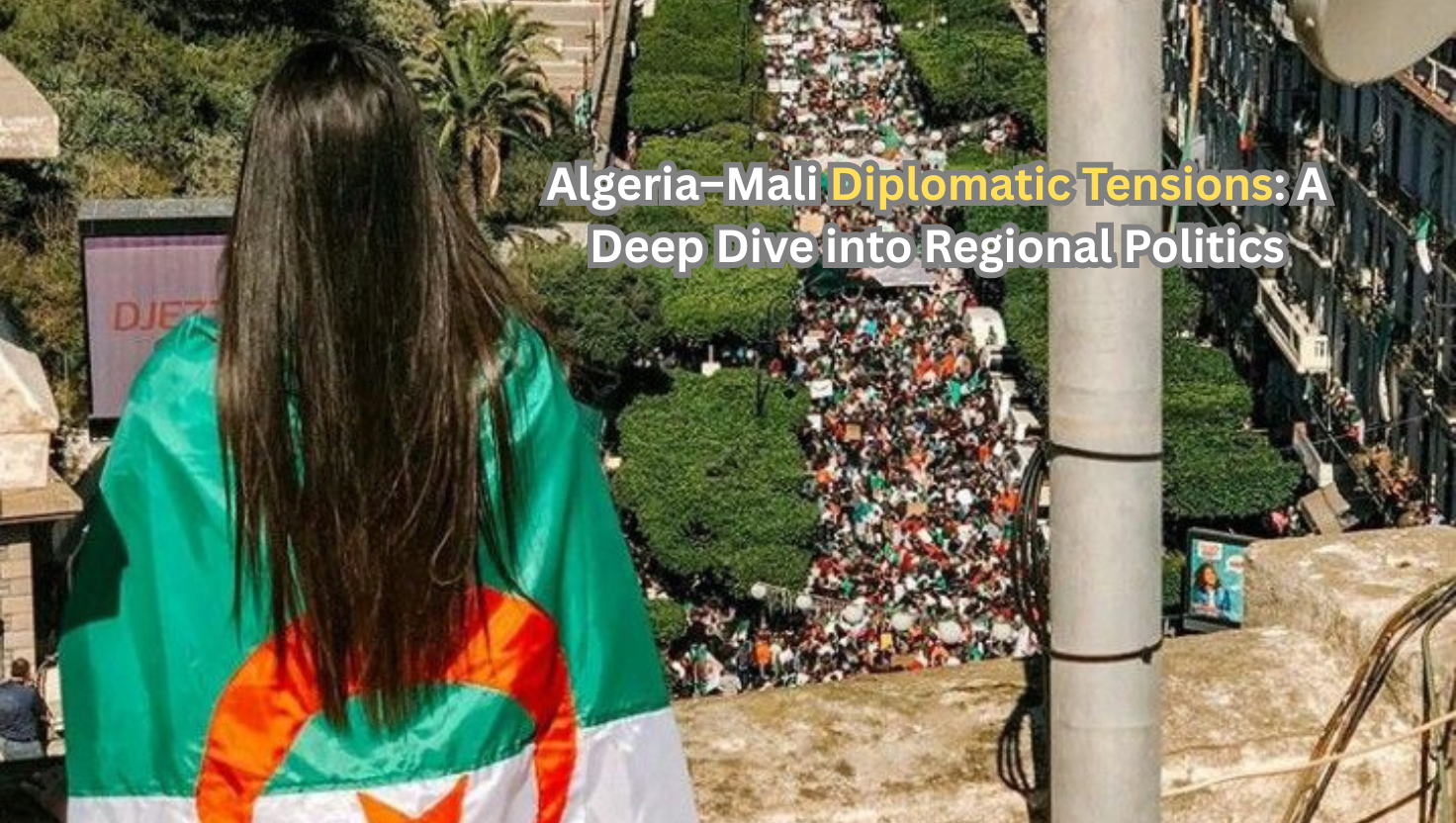

algeriajournal is here to shed light on one of the most pressing issues shaping North and West African geopolitics today — the ongoing Algeria–Mali diplomatic tensions. These two neighboring nations, bound by geography, culture, and history, have recently found themselves entangled in a complex web of political disagreements, security concerns, and shifting alliances. This issue is not just about two countries; it’s about the stability of the entire Sahel region.
- Understanding the Roots of Algeria–Mali Relations
- The Core Diplomatic Tensions
- The Regional and Global Impact
- Pathways to Resolution
- The Human Element
- Challenges Ahead
- FAQs
- Why are Algeria and Mali currently at odds?
- How important is Algeria’s role in Mali’s peace process?
- Could these tensions affect the wider Sahel region?
- What can be done to ease tensions?
- Conclusion
Let’s explore how Algeria and Mali’s strained relations are affecting peace efforts, regional security, and the future of cooperation across the African continent.
Understanding the Roots of Algeria–Mali Relations
A Historical Overview
Algeria and Mali share more than just a border — they share centuries of cultural exchange, trade routes, and interlinked tribal communities. Algeria has historically positioned itself as a mediator in Mali’s internal conflicts, particularly during Tuareg uprisings. Over the past decade, Algeria has hosted multiple peace negotiations and signed key agreements to stabilize Mali.
The Importance of the Sahel
The Sahel region, where Algeria and Mali meet, is a strategic corridor that connects North and West Africa. It’s rich in resources but plagued by armed insurgencies, terrorism, and poverty. Control and stability in this region are crucial not just for Algeria and Mali but for the entire African continent and even Europe, which closely monitors migration and security risks from this area.
The Core Diplomatic Tensions
Security Concerns and Terrorism
One of the main points of tension is how to deal with terrorist groups operating in northern Mali. Algeria favors political dialogue and negotiated settlements, while Mali’s leadership has, at times, leaned toward military solutions. This difference in approach has led to friction, especially when peace deals brokered by Algeria are not fully implemented.
Political Transition in Mali
Following multiple coups in Mali, the country’s transitional government has sought new alliances, including with Russia, and distanced itself from traditional partners like France. Algeria has expressed concern about Mali’s shifting alliances and their implications for regional diplomacy.
Border Control and Migration
The Algeria–Mali border is porous and difficult to monitor. Disagreements have emerged over border security measures, with Algeria increasing patrols and deportations, sometimes leading to accusations of mistreatment of Malian migrants.
“When two neighbors disagree, the entire village feels the tremors — and in the Sahel, that village is the whole region.”
The Regional and Global Impact
Effect on Sahel Stability
Any diplomatic tension between Algeria and Mali risks destabilizing the entire Sahel region. The peace accords Algeria brokered in 2015 were seen as a cornerstone for Mali’s future. If Algeria feels sidelined, peace efforts could unravel.
Impact on Regional Alliances
Mali’s growing closeness with other actors like Russia and Turkey could reduce Algeria’s influence in West Africa. This shift may also reshape military cooperation and trade partnerships in the region.
The Role of International Players
The United Nations, the African Union, and ECOWAS have been closely monitoring the situation. Algeria’s position as a mediator gives it significant leverage, but it also comes with responsibilities and expectations from the global community.
Pathways to Resolution
Renewed Dialogue and Mediation
For tensions to ease, Algeria and Mali must reopen channels of communication. Confidence-building measures, joint security operations, and economic cooperation could create a new foundation for trust.
Supporting Inclusive Governance
Stability in Mali largely depends on how inclusive its political process is. Algeria’s mediation efforts can push for stronger representation of northern communities and marginalized groups in Mali’s governance structure.
Strengthening Regional Cooperation
Platforms like the G5 Sahel, African Union, and bilateral commissions can be used to enhance security collaboration. Algeria could also work with Mali to create economic corridors, boosting trade and job creation, reducing the root causes of conflict.
The Human Element
Communities Living on the Border
Families on the Algeria–Mali border are often the first to feel the effects of diplomatic breakdowns. Trade gets disrupted, security measures tighten, and humanitarian aid becomes harder to access.
Civil Society Role
Malian and Algerian civil society groups have been calling for de-escalation and more grassroots involvement in peace processes. Women’s organizations, youth groups, and tribal leaders are essential players in reducing tensions.
Challenges Ahead
Rising Extremism
As extremist groups exploit any vacuum of authority, prolonged tensions could embolden armed groups to expand operations, threatening not just Mali and Algeria but Niger, Burkina Faso, and beyond.
Balancing External Influence
Mali’s partnerships with non-traditional allies like Russia create a delicate balancing act. Algeria will need to adapt its diplomatic strategy to remain relevant in Mali’s evolving foreign policy landscape.
FAQs
Why are Algeria and Mali currently at odds?
The tensions stem from differences in handling security issues, Mali’s political transitions, shifting international alliances, and border control challenges.
How important is Algeria’s role in Mali’s peace process?
Algeria is a key mediator, having brokered the 2015 Algiers Peace Agreement. Its involvement is critical to maintaining dialogue among Mali’s factions.
Could these tensions affect the wider Sahel region?
Yes, strained Algeria–Mali relations risk destabilizing the Sahel, potentially worsening insurgency activity and undermining regional peace initiatives.
What can be done to ease tensions?
Reopening diplomatic dialogue, strengthening border security cooperation, and supporting inclusive governance in Mali are crucial steps toward reconciliation.
Conclusion
The Algeria–Mali diplomatic tensions represent more than a bilateral dispute — they are a test for the entire Sahel’s ability to navigate security, governance, and international influence. cambodiawire.com highlights that the path forward lies in renewed dialogue, regional cooperation, and addressing root causes of instability. As the world watches, Algeria and Mali must decide whether to deepen their rift or work together for a more peaceful, prosperous future for the region.