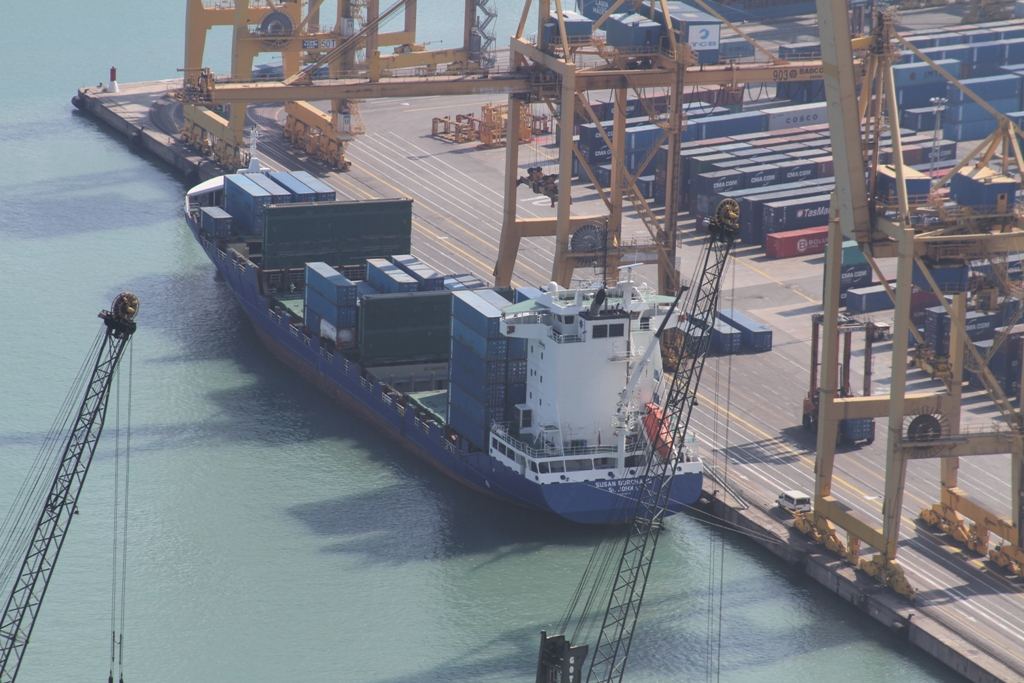

The Mediterranean is having a moment. Disrupted shipping lanes, congested northern European ports and manufacturers moving production closer to home have combined to send a wave of investment into the sea’s ports — Spanish, Italian, Greek, Moroccan and Egyptian terminals are all expanding, and North African ports are pitching themselves as gateways between Europe and a fast-growing African market.
Nearshoring changes the map
For decades, the default route for Asian goods into Europe ran to Rotterdam or Hamburg. Now supply-chain managers prize resilience as much as raw cost, and factories in Türkiye, Morocco and Eastern Europe are winning orders that once went further east. Shorter routes mean Mediterranean ports handle more of the traffic, while new rail corridors push containers from southern quays into central Europe in days. Analysts at the World Bank have noted how trade patterns are regionalising after years of globalisation.
What is being built
The money is going into deeper berths for larger ships, automated container yards, cold storage for food exports and logistics parks behind the terminals. Green investment is part of the package: shore power so ships can switch off their engines in port, and electrified cranes to cut emissions. Ports that can offer speed, reliability and cleaner operations are winning contracts from the big shipping alliances. Our business pages follow the deals reshaping the region.
An opening for North Africa
For Algeria and its neighbours, the opportunity is to capture more than transshipment fees — to build the warehouses, processing plants and export industries that keep value on the southern shore. Whether that happens depends on customs reform and reliable inland transport as much as on cranes. The cranes, at least, are arriving.
Shippers, for their part, are redrawing their networks. The largest container lines now market Mediterranean loops as premium products, promising European importers shorter and more predictable journeys than the traditional northern range. Reliability has become a selling point worth paying for after years of disruption. Port executives say the task now is to convert a cyclical windfall into permanent advantage — locking in rail connections, digital customs systems and hinterland depots before traffic patterns settle again. Those that succeed will not merely have ridden a wave; they will have changed the coastline’s economic geography.
The competition is not only among ports but between corridors. Land bridges through the Balkans, revived ferry routes and new logistics alliances are all bidding for the same freight. Shippers will choose on total journey time and reliability, which puts pressure on governments to fix the unglamorous links — border crossings, rail gauges, customs queues — that decide whether a fast sea crossing becomes a fast delivery. The ports investing in the whole chain, not just the quay, are the ones planners expect to keep the traffic when the current wave of disruption fades.