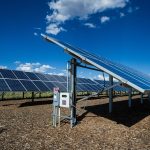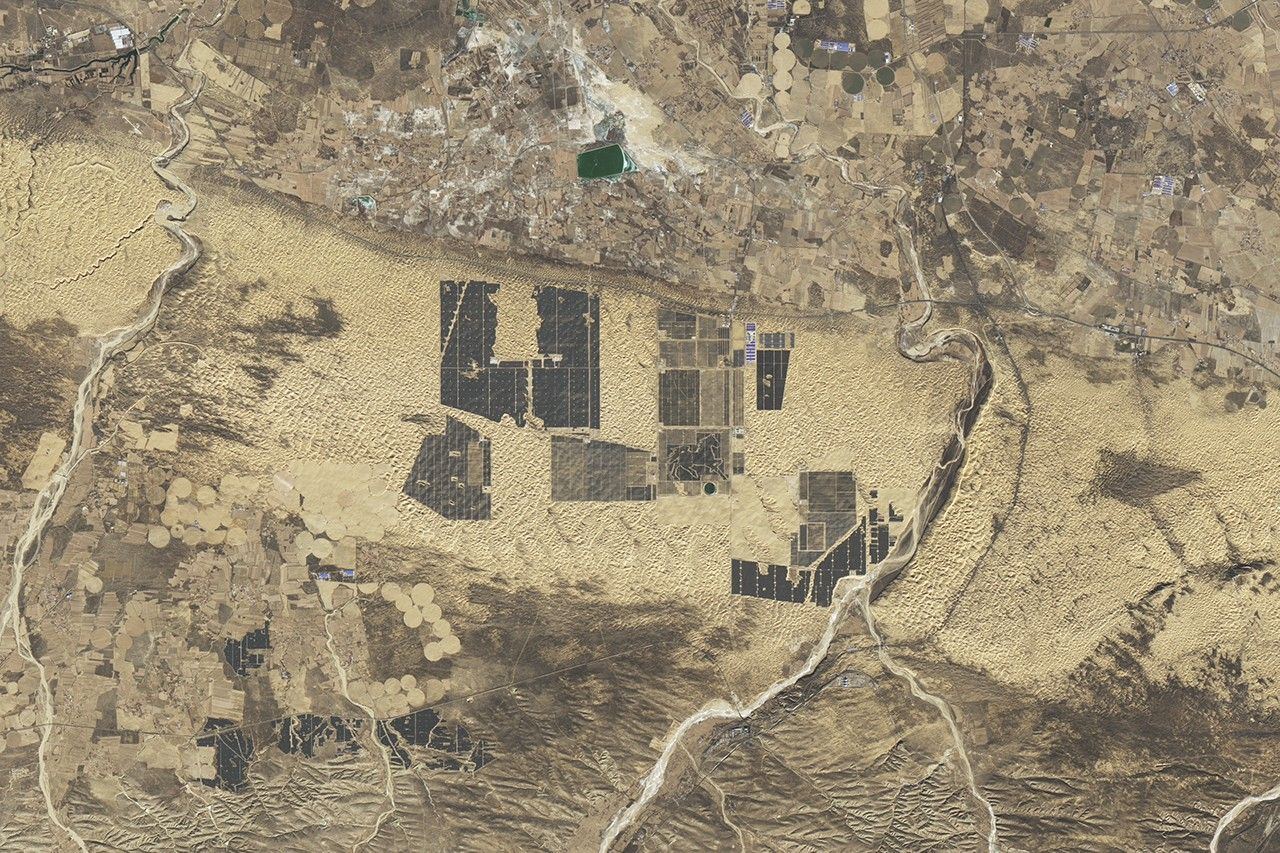

Few places on Earth receive more sunshine than the Algerian Sahara, and the country is finally moving to use it at scale. Algiers has tendered a series of large solar plants across its southern provinces, part of a long-term programme to generate a substantial share of electricity from renewables. The logic is twofold: every kilowatt-hour produced by the sun is gas that does not need to be burned at home — and Algeria’s gas is worth far more sold to Europe than consumed domestically.
Why solar, why now
Domestic energy demand grows every year with population, air conditioning and industry, eating into the export volumes that fund the state budget. Solar offers a way to square the circle. Panel and construction costs have fallen so far that Saharan solar is now among the cheapest electricity Algeria can build. The government has paired its tenders with requirements for local content, hoping to seed a domestic industry in mounting structures, cables and eventually panel assembly. The International Energy Agency profiles the country’s evolving energy mix in detail.
The hard parts
Sunshine is the easy part. Desert plants must cope with sand abrasion, water scarcity for cleaning, and long transmission lines to the populated north. Financing is another hurdle: foreign developers want bankable contracts and currency assurances before committing billions. Officials insist the new tenders are structured to answer those concerns, and early projects have drawn interest from European and Chinese firms alike. Follow developments in our energy coverage.
A regional race
Algeria is not alone. Morocco built some of the world’s largest solar complexes a decade ago, and Egypt and the Gulf states are investing heavily. The Sahara’s solar belt could one day supply power across the Mediterranean — but first, each country must serve its own fast-growing demand. For Algeria, progress in the desert is becoming a test of whether resource wealth can be converted into a new kind of energy advantage.
There are social stakes as well. Southern provinces have long complained that the Sahara’s wealth flows north while local jobs remain scarce. Solar construction brings temporary work, but the government hopes operations, maintenance and component manufacturing will plant longer-term employment in the desert regions themselves. Training programmes for technicians are being set up alongside the first plants. Whether the boom reaches those communities will help decide how Algerians judge the transition — as another extraction story, or as the start of a broader sharing of the country’s natural advantages.
Regional electricity links could multiply the value of every panel. Interconnectors already tie Algeria to its neighbours, and studies have repeatedly examined cables across the Mediterranean to Europe. Even without exports, solar frees gas, cuts the subsidy bill for domestic electricity and insulates the budget from fuel-price swings. The desert sun, long a symbol of emptiness in the national imagination, is being reframed as infrastructure — the one resource Algeria will never run out of.