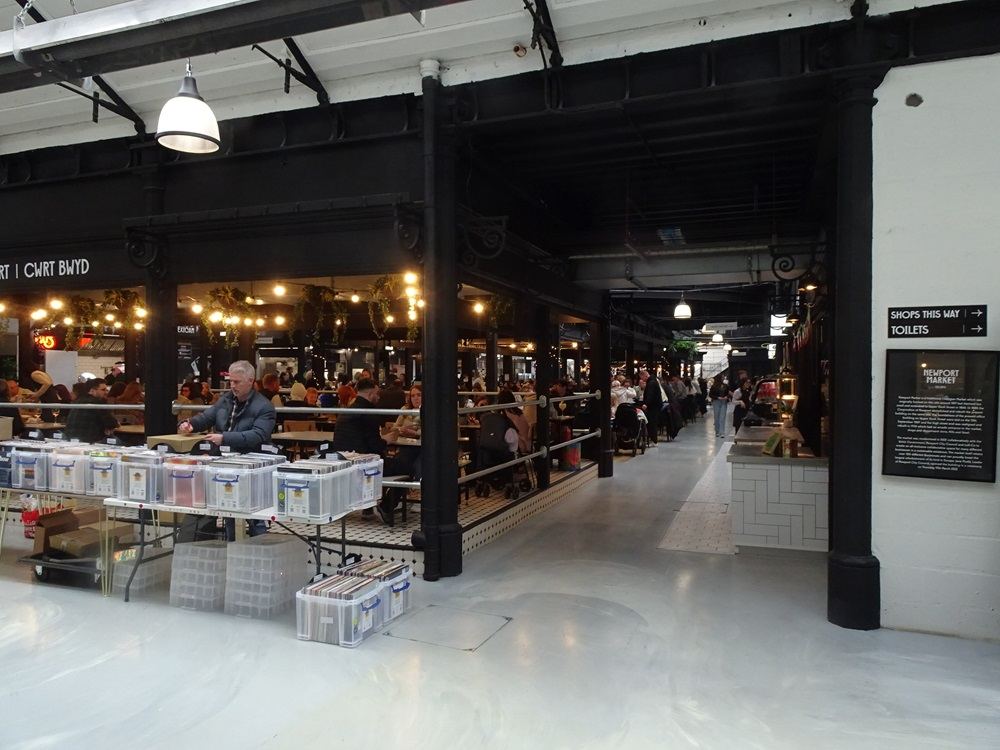

Traders in indoor market halls are balancing rising fresh food costs against the fair prices their regular customers expect, in a daily exercise that reveals how inflation really feels at ground level. Specialists following indoor market food pricing say stallholders notice wholesale changes immediately, from vegetables and fish to cooking oil and packaging, and must decide quickly what to absorb and what to pass on. Many are protecting value by offering seasonal produce, smaller portion options and honest conversations about why a price has moved, rather than quietly shrinking what customers receive. Market managers report steady demand for local and loose produce, which can undercut supermarkets on freshness while avoiding plastic packaging. For shoppers counting every pound, markets remain a place to buy exactly the quantity needed, speak directly with the person selling it and adjust a basket to a budget without waste or unwanted multipack deals. Their experience often contrasts with supermarket pricing, where changes arrive through national systems rather than through daily conversations with individual suppliers and shoppers.
What the Evidence Shows
Stallholders say their biggest pressures now come from energy for refrigeration, card payment fees and rent, not only from the produce itself. Some have joined buying groups to negotiate better wholesale terms, while others share delivery runs to cut fuel costs. Customers, in turn, are planning meals more flexibly, choosing vegetables that are plentiful that week instead of sticking rigidly to a list written at home. That flexibility helps traders too, reducing unsold stock at closing time. Market associations argue that these halls deserve recognition as essential community infrastructure, offering affordable food, small business opportunities and social contact. Their survival, traders insist, depends on shoppers continuing to value freshness, fairness and personal service over convenience alone. Younger traders are adding social media updates about arrivals and offers, drawing new customers into halls their grandparents used, and blending traditional service with modern ways of spreading the word. Reporting and analysis from sources such as World Bank track the same developments, and specialists following indoor market food pricing say the direction is now consistent across independent lines of evidence.
The Wider Context
For households and small firms, indoor market food pricing matters through prices and access rather than through market commentary. Changes at this level arrive as a rate on an offer letter, a fee on a statement or a product that quietly disappears from a comparison table. Consumer groups argue that transparency at exactly that point of decision is worth more than any amount of market-level reporting.
What Happens Next
The outlook for indoor market food pricing hinges on policy choices that will be made in the open over the coming quarters. Market participants are positioned for more than one outcome, which is why the immediate reaction to each announcement has been smaller than the commentary around it. For ordinary savers and borrowers, the advice from every quarter is the same: review your own position, not the headlines. You can follow related developments in our coverage of finance.
It is also worth remembering how quickly the picture in this area has changed before. Positions that looked settled a few years ago have been revised as new data arrived, and the same humility is appropriate now. The strongest coverage of this subject, and the most useful advice, tends to come from sources that update their views openly when the facts move, rather than defending an earlier position long after it has stopped fitting the evidence available.