
By using this site, you agree to the Privacy Policy and Terms of Use.
Accept
AlgeriaJournalAlgeriaJournalAlgeriaJournal
  • Home
  • Sports
  • Reviews
  • Tech News
  • Social Culture
  • Tourism Trends
Font ResizerAa
Font ResizerAa
AlgeriaJournalAlgeriaJournal
  • Home
  • Sports
  • Reviews
  • Tech News
  • Social Culture
  • Tourism Trends
Henna Rituals & Cultural Heritage: Tradition and Beauty Unveiled
Social Culture

Henna Rituals & Cultural Heritage: Tradition and Beauty Unveiled

ajornia
Last updated: September 9, 2025 12:20 pm
ajornia
Published: September 9, 2025
Share
SHARE

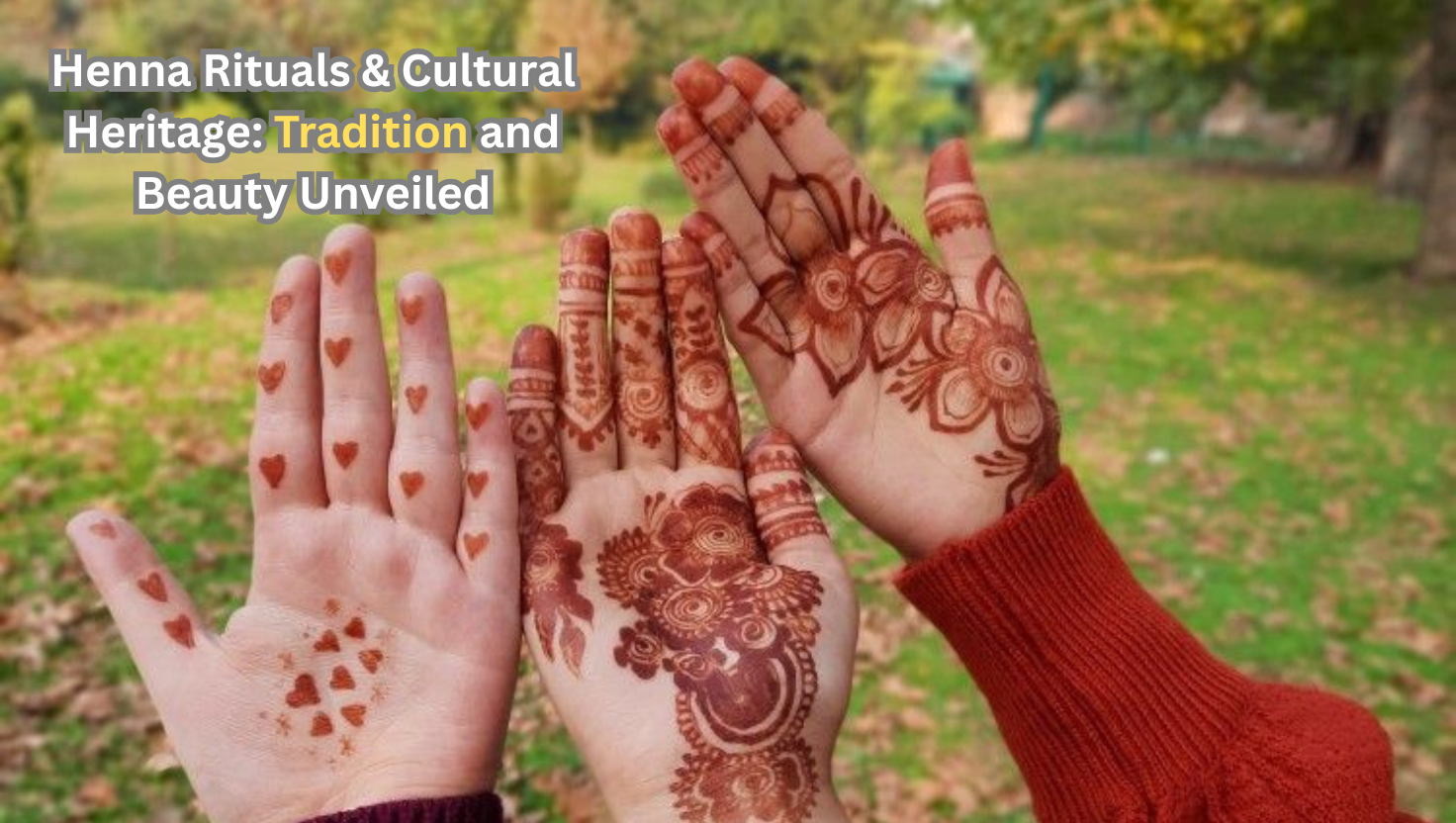
Henna rituals hold a special place in many cultures around the world, serving as a vibrant symbol of tradition, celebration, and personal expression. On Algeria Journal, we explore the depth of henna artistry and its role in preserving cultural heritage. From intricate designs to ceremonial applications, henna is more than a temporary decoration—it is a living tradition that bridges generations and communities.

Contents
  • The Historical Roots of Henna
  • Symbolism Behind Henna Rituals
  • The Art of Henna Application
    • Step-by-step Henna Application Process:
  • Henna in Weddings and Celebrations
  • Regional Variations of Henna Designs
    • North African Designs
    • Middle Eastern Designs
    • South Asian Designs
  • Henna as Cultural Preservation
    • Key Roles in Cultural Preservation:
  • Modern Adaptations of Henna
  • Safety and Quality Tips for Henna
    • Tips for Safe Henna Use:
  • Henna Tools and Materials
  • Step-by-Step Guide for First-Time Henna Users
  • Cultural Etiquette and Respect
  • Frequently Asked Questions (FAQs)
    • What is the significance of henna in cultural rituals?
    • Can men participate in henna rituals?
    • How long does henna last on the skin?
    • Is henna safe for pregnant women?
    • How can I learn traditional henna techniques?
  • Conclusion

Henna has been woven into the cultural fabric of societies for centuries, celebrated in festivals, weddings, and personal milestones. Beyond its aesthetic charm, henna rituals carry symbolic meanings, reflecting joy, protection, and communal bonds. In this article, Algeria Journal delves into the fascinating history, techniques, and cultural significance of henna, offering readers a complete guide to understanding and appreciating this rich heritage.

The Historical Roots of Henna

Henna, known scientifically as Lawsonia inermis, has been used for thousands of years across the Middle East, North Africa, and South Asia. Historical records suggest that henna was used not only for beauty but also for medicinal and spiritual purposes. In ancient civilizations, it was applied to mark significant life events, ward off evil spirits, and celebrate rites of passage.

Henna’s journey spans continents and cultures. Traders and travelers carried it along ancient routes, spreading its popularity and adapting its use to local traditions. Today, it remains a symbol of cultural identity and continuity, connecting contemporary practices with ancestral customs. Its enduring appeal lies in its versatility and symbolic richness, making it a cherished part of cultural heritage worldwide.

Symbolism Behind Henna Rituals

Henna is rarely applied casually; each ritual carries profound symbolism. In many cultures, henna is associated with blessings, fertility, protection, and prosperity. Weddings are among the most prominent occasions for henna, where intricate designs adorn brides and symbolize joy, beauty, and the promise of a new beginning.

Beyond weddings, henna is also used in religious festivals, childbirth celebrations, and other milestones. Its designs often include motifs representing natural elements such as flowers, vines, and animals, each with unique meanings. The practice is a visual language that communicates emotions, spiritual beliefs, and communal values, preserving traditions through artistry.

The Art of Henna Application

Henna application is both a craft and a ritual. Skilled artisans use cones or sticks to draw intricate patterns on hands, feet, and sometimes other body parts. The preparation of henna paste itself is a meticulous process, often involving natural ingredients like lemon juice, essential oils, and sugar to enhance color and longevity.

Step-by-step Henna Application Process:

  • Preparation: Grinding henna leaves into fine powder and mixing with liquid for consistency.
  • Design Planning: Choosing traditional or modern motifs suitable for the occasion.
  • Application: Carefully drawing designs using cones or brushes with precision.
  • Drying & Setting: Allowing the paste to dry for several hours for a deep, lasting stain.
  • Aftercare: Removing the dried paste gently and avoiding water to retain color intensity.

This process transforms henna into a living piece of art that tells a story and conveys cultural values.

Henna in Weddings and Celebrations

One of the most celebrated uses of henna is in weddings. Bridal henna is often the centerpiece of wedding rituals, with elaborate designs covering hands and feet. The application is accompanied by music, dance, and communal gathering, turning the ritual into a festive celebration.

In addition to weddings, henna is used in festivals such as Eid, Diwali, and regional cultural celebrations. Its use fosters social bonds, encouraging family members and friends to participate in the artistry and ceremony. Henna rituals thus serve as both a decorative art form and a means of reinforcing community identity.

Regional Variations of Henna Designs

Henna designs vary greatly depending on cultural influences and regional styles.

North African Designs

  • Geometric patterns with bold lines.
  • Emphasis on symmetry and intricate shapes.
  • Often used in Moroccan and Algerian traditions.

Middle Eastern Designs

  • Floral and leafy motifs with flowing patterns.
  • Incorporates delicate, feminine elements.
  • Popular in Gulf countries and Lebanon.

South Asian Designs

  • Extremely intricate and dense patterns.
  • Includes traditional motifs like paisleys, peacocks, and mandalas.
  • Central to Indian, Pakistani, and Bangladeshi bridal henna.

These regional differences reflect the rich cultural diversity in henna practices while highlighting its universal significance.

Henna as Cultural Preservation

Henna rituals are an important means of preserving cultural heritage. They maintain traditional knowledge, craft skills, and social customs. Elders often pass down techniques and meanings to younger generations, ensuring continuity.

Key Roles in Cultural Preservation:

  • Educating youth on traditional artistry.
  • Strengthening communal identity.
  • Documenting regional motifs and techniques.
  • Promoting cultural tourism and awareness.

Henna is a living heritage that evolves while honoring its roots, making it an invaluable cultural asset.

Modern Adaptations of Henna

While traditional henna remains popular, modern adaptations have emerged, including temporary tattoos, glitter henna, and fusion designs that combine traditional motifs with contemporary aesthetics. Social media platforms have also amplified henna’s popularity, enabling artists to reach global audiences and share cultural stories.

Despite modernization, authenticity is key. The best practices honor tradition while allowing creative expression, maintaining the balance between heritage and innovation.

Safety and Quality Tips for Henna

Not all henna is created equal. Natural henna is safe and hypoallergenic, whereas “black henna” or chemically altered variants can cause irritation and harm.

Tips for Safe Henna Use:

  • Always check ingredients and avoid synthetic additives.
  • Conduct a patch test before full application.
  • Prefer certified or artisan-prepared henna paste.
  • Avoid prolonged exposure to harsh chemicals during drying.

Ensuring safety protects both the wearer and the integrity of the ritual.

Henna Tools and Materials

A few essential tools make henna application possible:

ToolPurpose
Henna PowderMain ingredient for paste
Cones or Applicator BottlesPrecision drawing
Lemon JuiceEnhances color and stain longevity
Essential OilsImproves paste consistency and scent
Cotton Swabs/ClothsFor correcting mistakes or cleaning

Knowing the right materials helps preserve traditional methods while achieving vibrant results.

Step-by-Step Guide for First-Time Henna Users

  • Select a Design: Choose a pattern suitable for your occasion.
  • Prepare Paste: Mix natural henna powder with lemon juice and oil.
  • Practice: Try drawing simple motifs on paper before skin application.
  • Apply Paste: Use cone or stick to carefully trace design.
  • Set and Dry: Leave paste to dry, avoiding water for optimal stain.
  • Aftercare: Remove dried paste gently; apply balm or oil for protection.

Following these steps ensures a rewarding experience and lasting impression.

Cultural Etiquette and Respect

Henna rituals are deeply embedded in social norms. Observing etiquette is crucial:

  • Respect local customs during celebrations.
  • Avoid touching others’ henna without permission.
  • Appreciate the symbolism rather than treating it purely as decoration.
  • Understand differences in designs and meanings across regions.

Cultural sensitivity enhances the appreciation of henna as a living heritage.

Frequently Asked Questions (FAQs)

What is the significance of henna in cultural rituals?

Henna symbolizes joy, protection, and blessings in life milestones, reflecting both aesthetic and spiritual values.

Can men participate in henna rituals?

Yes, in some cultures, men also use henna for celebrations, religious ceremonies, and social gatherings.

How long does henna last on the skin?

Natural henna usually lasts one to three weeks, depending on skin type, care, and exposure to water.

Is henna safe for pregnant women?

Pure, natural henna is generally safe, but it is best to consult a healthcare professional before use.

How can I learn traditional henna techniques?

Learning from experienced artisans, attending workshops, and practicing consistently are effective ways to master traditional techniques.

Conclusion

Henna rituals are more than decorative art—they are a celebration of cultural heritage, community, and tradition. From weddings to festivals, from intricate designs to symbolic meanings, henna connects generations and preserves ancestral knowledge. On Algeria Journal, we honor this living tradition, highlighting its beauty, cultural significance, and enduring relevance. By understanding and respecting henna rituals, we ensure that this vibrant art form continues to flourish, bridging the past with the present and inspiring future generations.

Share This Article
Facebook Email Print
Leave a Comment

Leave a Reply Cancel reply

Your email address will not be published. Required fields are marked *

Search

Recent Posts

Algeria Digital Economy Growth Projects Driving Innovation
Tech News
AI Regulation 2025: Shaping the Future Responsibly
Tech News
Pickleball Growth: The Rising Sport Revolution Everyone Talks About
Sports
Pickleball Growth: The Rising Sport Revolution Everyone Talks About Pickleball is no longer a niche sport tucked away in community centers or quiet courts. Across the globe, its popularity is skyrocketing, and enthusiasts of all ages are picking up paddles to experience the excitement. At Algeria Journal, we are closely following this phenomenon, diving into the factors fueling Pickleball Growth and why it is captivating the attention of sports fans worldwide. What makes pickleball unique is its combination of simplicity, accessibility, and social engagement. Unlike other sports, it doesn’t require expensive equipment or a professional background to enjoy, which is why communities are embracing it like never before. Whether you are a beginner eager to try your first game or an experienced player looking to sharpen your skills, understanding this sport’s rapid rise is essential to staying ahead in the dynamic world of recreational activities. Why Pickleball is Experiencing Unprecedented Growth Pickleball’s surge is no accident. Multiple factors are contributing to its expansion and transforming it into one of the fastest-growing sports globally. Accessibility and Inclusivity Unlike high-impact sports that demand advanced skills or physical strength, pickleball is accessible to people of all ages and abilities. This inclusivity has expanded its reach, allowing seniors, adults, and younger players to engage equally. Communities worldwide are establishing local clubs and public courts to accommodate this growing interest, turning it into a social hub as well as a competitive activity. Engaging and Social Atmosphere One of pickleball’s most attractive features is the social component. Players interact closely, share strategies, and enjoy a friendly yet competitive environment. The communal aspect fosters lasting friendships and encourages continued participation, creating a vibrant culture around the sport. Media Attention and Celebrity Endorsements As mainstream media begins to cover pickleball tournaments and celebrities openly play and promote it, the sport’s visibility skyrockets. This media spotlight encourages new participants and solidifies pickleball’s reputation as a trendy, exciting activity. How to Get Started with Pickleball Starting with pickleball doesn’t have to be complicated. Follow these key steps to dive into the action: Choose the Right Equipment Selecting the proper paddle and ball is crucial. Beginners should look for lightweight paddles with comfortable grips and a ball that is suitable for indoor or outdoor play. Local sports stores and online marketplaces provide a range of options tailored to skill levels. Learn the Rules and Court Layout The game uses a smaller court than traditional tennis, with simple scoring rules. Familiarizing yourself with the court layout, net height, and serve techniques ensures a smooth start. Many clubs and online tutorials offer beginner-friendly guides to mastering the basics. Join Local Clubs or Community Programs Joining a local pickleball club or community program allows you to practice with experienced players. Regular sessions improve skills, build confidence, and create a sense of belonging within the growing pickleball community. Health and Fitness Benefits of Pickleball Pickleball is not just fun; it offers numerous health benefits: Low-Impact Exercise Unlike high-impact sports that strain joints, pickleball is gentle on the body. It combines cardiovascular activity with agility and balance training, making it suitable for all fitness levels. Mental Health Boost Engaging in pickleball stimulates mental alertness, strategic thinking, and social interaction, all of which contribute to improved mental health and overall wellbeing. Teamwork and Coordination Doubles play encourages communication, teamwork, and coordination. Players develop spatial awareness and reflexes, translating to other sports and everyday activities. Table Example – Fitness Benefits at a Glance Benefit Description Cardiovascular Health Improves heart health with moderate aerobic activity Balance and Agility Strengthens core and improves reaction times Social Interaction Encourages teamwork and fosters community bonds Mental Alertness Boosts cognitive skills and strategic thinking Tips for Improving Your Pickleball Game Master the Serve A consistent, well-placed serve gives players a strategic advantage. Practice different angles and speeds to keep opponents guessing. Develop Court Awareness Being aware of your position relative to your partner and opponents enhances defensive and offensive plays. Anticipation and positioning are critical in competitive matches. Focus on Paddle Control The paddle is your primary tool. Work on grip, swing, and precision to improve shot accuracy and consistency. Learn Different Shots Mastering a variety of shots, including drop shots, smashes, and lobs, keeps the game dynamic and challenging for opponents. Pickleball Community and Events The rise of pickleball has led to organized tournaments and online communities. Players can connect through social media groups, forums, and regional events, sharing tips, success stories, and event updates. Types of Events Casual community games Competitive local tournaments National and international championships Being active in these communities provides networking opportunities and keeps players updated on the latest trends in pickleball. Common Challenges and How to Overcome Them Even with its rapid growth, new players face challenges: Finding Available Courts With popularity soaring, courts may be crowded. Scheduling games during off-peak hours or joining multiple clubs can help alleviate this issue. Learning the Rules Efficiently Although simple, beginners might feel overwhelmed. Using instructional videos, joining workshops, and playing with experienced players accelerates the learning curve. Maintaining Physical Fitness Pickleball requires agility and stamina. Regular warm-ups, stretching, and conditioning exercises ensure safe participation and improved performance. Frequently Asked Questions (FAQs) What age is ideal to start playing pickleball? Pickleball can be enjoyed by all ages. It is particularly suitable for seniors seeking low-impact exercise but is also engaging for younger players. Do I need special shoes for pickleball? Yes, shoes with good traction and support designed for indoor or outdoor courts help prevent injuries and improve mobility. Can pickleball be played outdoors? Absolutely. Pickleball can be played indoors or outdoors. Outdoor courts are typically made of asphalt or concrete, while indoor courts are softer for less impact. Is pickleball a competitive sport? Yes, pickleball has a thriving competitive scene with local, national, and international tournaments offering opportunities for serious players. How long does it take to become proficient? Skill development varies, but consistent practice, learning strategies, and playing with experienced players accelerates proficiency. Conclusion Pickleball’s explosive growth is transforming recreational sports and bringing communities together. With its accessibility, social appeal, and health benefits, it is no surprise that more people are joining the movement. At Algeria Journal, we encourage readers to explore this exciting sport, whether for casual fun or competitive ambition. Embracing pickleball today means joining a global community and enjoying a healthier, more active lifestyle.
AI in Sports Marketing: Transforming Fan Engagement and Growth
Sports
Smart Betting Strategies: Win Big with Expert Insights Today
Sports
F1 Fan Engagement: How Algeria Journal Explores the Thrill of Formula One
Sports

About Us

AlgeriaJournal is your trusted source for the latest updates on Tech News, Tourism Trends, Foreign Relations, Social Culture, and Sports. We provide insightful, engaging, and SEO-optimized content that highlights Algeria’s role in innovation, travel, diplomacy, culture, and athletics while connecting local stories to global conversations. #AlgeriaJournal

Popular Posts

Algeria Digital Economy Growth Projects Driving Innovation
September 12, 2025
AI Regulation 2025: Shaping the Future Responsibly
September 12, 2025
Pickleball Growth: The Rising Sport Revolution Everyone Talks About
September 9, 2025

Contact Us

If you have any questions or need further information, feel free to reach out to us at

Email: tech4english@gmail. com
Phone: +358 44 9523404

Address: 4198 Middleville Road
Monrovia, CA 91016

Copyright © 2025 | All Rights Reserved | Algeria Journal
  • About Us
  • Contact Us
  • Disclaimer
  • Privacy Policy
  • Terms & Condition
  • Write for Us
  • Sitemap

WhatsApp us