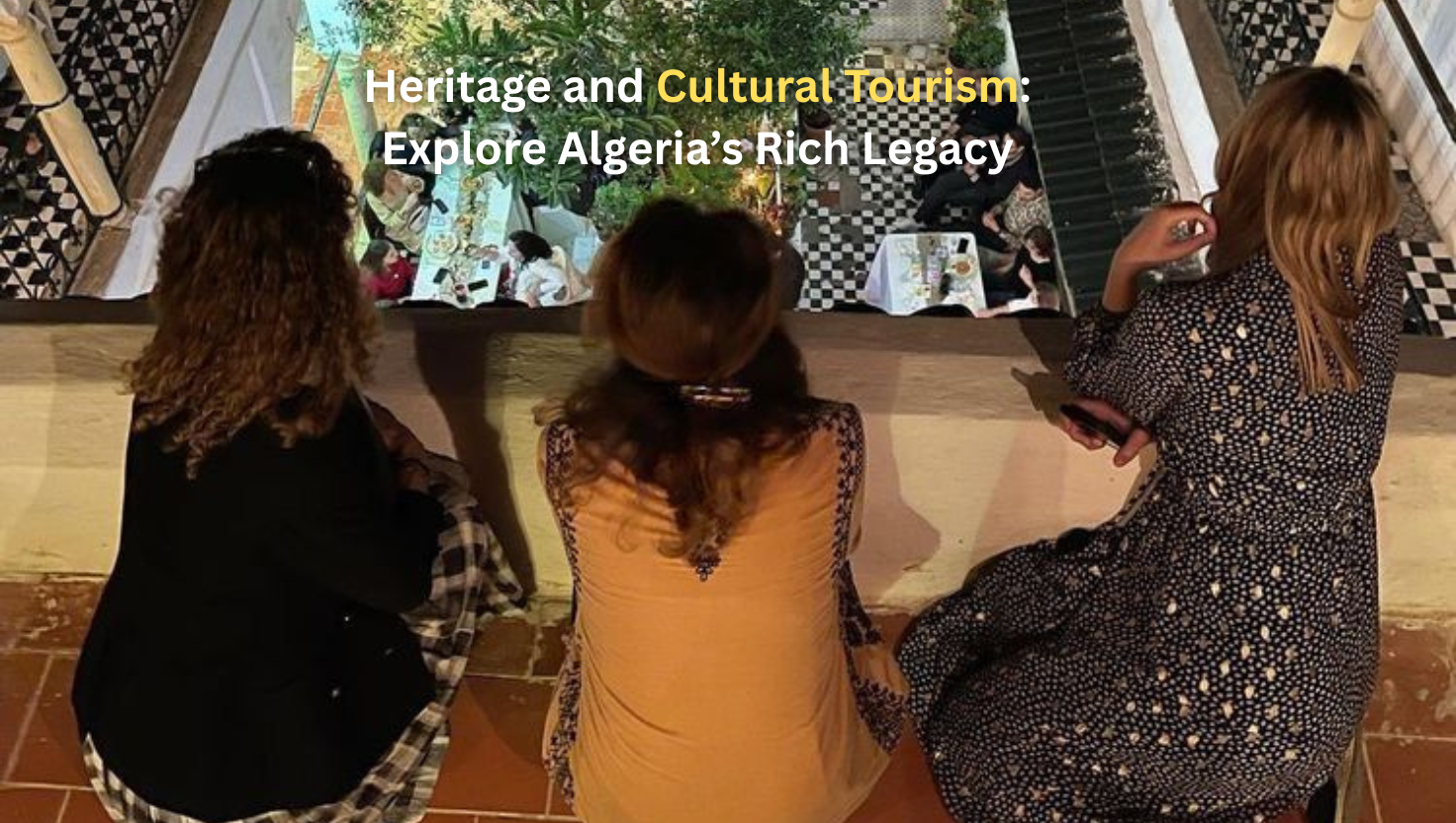

Heritage and cultural tourism is one of the most enriching ways to explore the world, offering travelers a chance to immerse themselves in the history, traditions, and stories that shape a destination. At Algeria Journal, we believe that understanding a region’s heritage is not just about sightseeing—it’s about connecting with its soul, its people, and its timeless customs. For travelers seeking more than just modern attractions, heritage and cultural tourism provides a meaningful and unforgettable journey.
- Understanding Heritage and Cultural Tourism
- Benefits of Heritage and Cultural Tourism
- Planning Your Heritage and Cultural Tourism Trip
- Preserving Heritage While Traveling
- Top Destinations for Heritage and Cultural Tourism
- Heritage and Cultural Tourism Experiences: Interactive Table
- How Algeria Journal Supports Your Heritage Journey
- Frequently Asked Questions
- What is the difference between heritage tourism and general tourism?
- How can I make my heritage trip more meaningful?
- Is heritage tourism suitable for all age groups?
- How do I find authentic cultural experiences?
- Can heritage tourism help preserve local culture?
- Conclusion
From ancient architecture to vibrant festivals, heritage tourism invites you to experience a destination authentically. It celebrates the art, music, and culinary traditions that define a culture while preserving the narratives of generations past. By engaging with local communities and their traditions, travelers can gain a deeper appreciation for the values and lifestyle that have endured over centuries. This immersive experience goes beyond mere observation—it transforms travel into a journey of learning, empathy, and connection.
Understanding Heritage and Cultural Tourism
Heritage and cultural tourism refers to traveling with the primary purpose of experiencing the cultural and historical aspects of a location. This type of tourism emphasizes exploring monuments, historical sites, museums, art galleries, and traditional neighborhoods. Unlike leisure tourism, which often focuses on relaxation and entertainment, heritage tourism prioritizes education, cultural immersion, and the preservation of historical identity.
Types of Cultural Heritage Experiences
- Architectural Heritage: Exploring castles, temples, mosques, and colonial buildings to witness history in stone.
- Intangible Cultural Heritage: Experiencing music, dance, language, oral traditions, and culinary arts.
- Rituals and Festivals: Participating in local festivals, religious ceremonies, and seasonal celebrations.
- Living History Experiences: Engaging with local communities through workshops, guided tours, and storytelling sessions.
Heritage tourism is a bridge between the past and present, enabling travelers to learn from the historical narrative while contributing to the local economy through responsible tourism practices.
Benefits of Heritage and Cultural Tourism
Heritage tourism offers benefits for both travelers and host communities, enriching experiences while promoting cultural preservation.
Enriching Travelers’ Experiences
Travelers gain a deeper understanding of local traditions, art, and history. This fosters empathy, appreciation, and a sense of global citizenship. Heritage tourism often provides hands-on experiences, such as cooking traditional meals, learning crafts, or participating in cultural performances.
Economic and Social Benefits for Communities
By promoting cultural tourism, communities receive support for preserving heritage sites and traditions. Income generated from tourism helps maintain historical landmarks, fund local artisans, and provide employment opportunities. Moreover, it encourages younger generations to value and continue their cultural practices.
Educational Impact
Heritage tourism serves as a living classroom. Travelers and students alike can learn about architectural styles, historical events, and traditional practices, enhancing academic studies and personal knowledge.
Planning Your Heritage and Cultural Tourism Trip
Research and Preparation
Before traveling, it is essential to research the cultural background of your destination. Learn about local customs, etiquette, and historical significance to enhance your experience. This preparation ensures respectful interaction with communities and helps travelers avoid cultural misunderstandings.
Selecting Destinations
Focus on locations renowned for their historical significance, preserved monuments, and cultural vibrancy. Many destinations offer heritage trails, museums, and cultural centers that allow visitors to explore the past comprehensively.
Choosing the Right Experiences
Consider guided tours, workshops, and community-based experiences. Local guides often provide insights that are unavailable in books, revealing hidden stories and traditions that make the visit authentic and memorable.
Preserving Heritage While Traveling
Responsible Tourism Practices
Travelers play a crucial role in heritage conservation. Always follow rules at historical sites, avoid disturbing artifacts, and respect local traditions. Supporting local artisans and businesses ensures that cultural heritage continues to thrive.
Sustainable Travel Tips
- Travel during off-peak seasons to reduce overcrowding.
- Minimize waste and avoid single-use plastics at cultural sites.
- Participate in community programs that support preservation efforts.
Heritage tourism is most impactful when it promotes sustainability and cultural respect, creating a mutually beneficial relationship between travelers and host communities.
Top Destinations for Heritage and Cultural Tourism
Cities Rich in Historical Significance
Some cities are celebrated for their heritage districts, ancient architecture, and historical landmarks. Travelers can explore old towns, forts, and temples that narrate centuries of history.
UNESCO World Heritage Sites
UNESCO sites are prime destinations for cultural tourism, offering globally recognized significance. These sites highlight architecture, archeological remains, and traditional communities worthy of preservation.
Cultural Festivals and Events
Festivals provide travelers a chance to witness local traditions in action. Music, dance, and culinary celebrations bring history to life and allow for immersive experiences.
Heritage and Cultural Tourism Experiences: Interactive Table
| Experience Type | Description | Benefits | Example Activities |
| Architectural Exploration | Visit historical buildings and monuments | Learn history, appreciate architecture | Guided tours, photography |
| Culinary Heritage | Discover local foods and cooking methods | Understand culture, support local economy | Cooking workshops, food tasting |
| Art and Craft Workshops | Participate in traditional arts | Preserve cultural skills, create memories | Pottery, weaving, painting |
| Cultural Festivals | Attend seasonal or religious festivals | Experience local traditions | Dance performances, parades |
| Storytelling & Oral History | Interact with local storytellers | Gain historical insight | Community gatherings, narratives |
How Algeria Journal Supports Your Heritage Journey
At Algeria Journal, we provide comprehensive travel guides and curated experiences for heritage and cultural tourism enthusiasts. From detailed destination insights to practical travel tips, we ensure every traveler can engage meaningfully with Algeria’s rich cultural landscape. Our resources include interviews with local historians, artisan profiles, and recommendations for immersive tours.
We also promote responsible tourism, emphasizing sustainable practices, respect for local traditions, and support for communities preserving their cultural identity. By following Algeria Journal, travelers can explore heritage sites confidently, knowing they contribute positively to local culture and history.
Frequently Asked Questions
What is the difference between heritage tourism and general tourism?
Heritage tourism focuses on history, culture, and traditions, while general tourism may prioritize leisure, entertainment, or relaxation without emphasizing educational experiences.
How can I make my heritage trip more meaningful?
Engage with local communities, participate in workshops, attend festivals, and learn the stories behind landmarks to create an immersive and enriching experience.
Is heritage tourism suitable for all age groups?
Yes, heritage tourism can be adapted for families, students, and solo travelers alike. Activities can be customized to ensure accessibility and enjoyment for all ages.
How do I find authentic cultural experiences?
Research local guides, community-based tours, and workshops promoted by recognized cultural organizations. Avoid commercialized attractions that prioritize profit over authenticity.
Can heritage tourism help preserve local culture?
Absolutely. Responsible tourism supports artisans, funds preservation projects, and encourages younger generations to value and continue traditional practices.
Conclusion
Heritage and cultural tourism offers a gateway to discovering the soul of a destination. By exploring historical landmarks, engaging with local communities, and participating in cultural traditions, travelers gain not only knowledge but also lasting memories. At Algeria Journal, we aim to guide travelers toward meaningful journeys that honor the past while contributing to the future. By choosing responsible, immersive experiences, travelers can enjoy the richness of global heritage and become ambassadors for cultural preservation wherever they go.