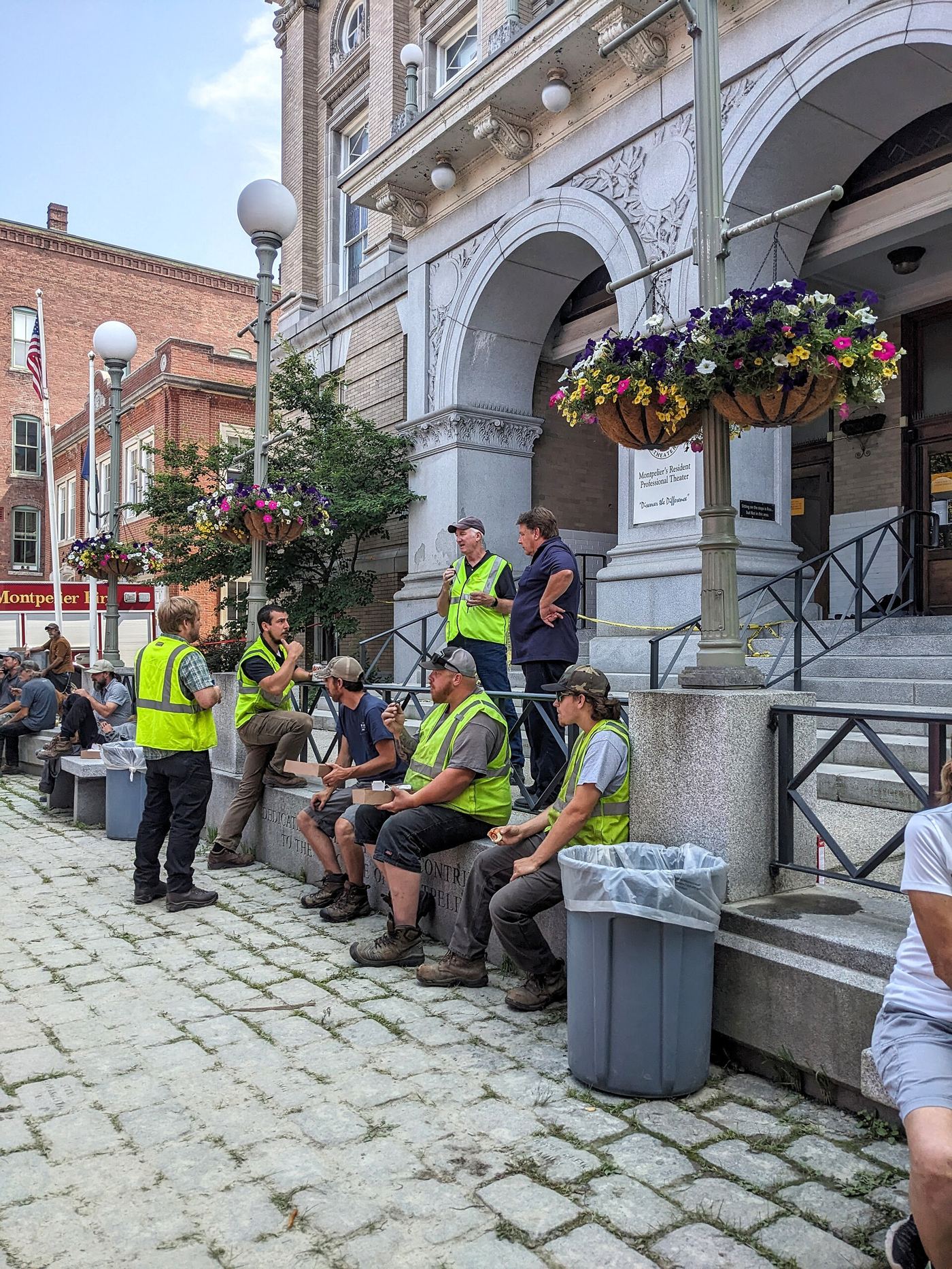

Flooded roads are reopening in stages as cleanup teams finish the safety checks that must come before traffic returns. A street that looks clear can still hide damaged surfaces, lifted drain covers, contaminated silt or weakened verges, so inspectors walk each route before barriers come down. Bus companies and emergency services are given the reopening order first, so diversions can be lifted in a coordinated way rather than street by street confusion. Residents returning by car are asked to drive slowly through newly reopened areas, where cleanup crews may still be working at the edges and surfaces can remain slippery with fine mud. Temporary traffic lights remain on a small number of streets where repairs continue, and drivers are advised to allow extra time while the last restrictions are lifted.
What the Evidence Shows
Local councils say the phased approach can frustrate drivers, but reopening a road too early risks accidents and further damage that would close it for longer. While routes are shut, teams take the chance to repair potholes, repaint markings and clear pavements so the street returns in better condition than before. Shops on affected roads are being visited by recovery staff with advice on cleaning, insurance records and grants where schemes exist. Community groups praised neighbours who checked on older residents during the disruption, saying that local knowledge often reached people faster than official messages. With most routes expected back to normal soon, attention is shifting to lessons learned and to the drainage work that should follow. A final review will bring the reopening experience together for future incidents. Reporting and analysis from sources such as BBC News track the same developments, and specialists following staged road reopenings after flooding say the direction is now consistent across independent lines of evidence.
The Wider Context
The wider context is a public conversation conducted at a speed institutions were not built for. Developments around staged road reopenings after flooding are announced, contested and revised within a single news cycle, and the officials involved have learned to publish evidence alongside claims so that scrutiny can actually occur. Trust, the polling suggests, follows that transparency more than it follows confidence.
What Happens Next
What happens next in the story of staged road reopenings after flooding will be decided in the places where it is being implemented, measured and argued about in public. The officials and organisations involved have committed to publishing progress data, and that commitment gives residents, businesses and journalists something firmer than promises to judge. The next milestones are dated, which means they can be checked. You can follow related developments in our coverage of news.
None of this will be settled by a single announcement, study or product launch. The pattern to watch is accumulation: independent confirmations, honest reporting of failures and steady improvement in the underlying numbers. Readers who follow those signals, rather than the loudest claim of the week, will understand this subject better than most of the commentary surrounding it suggests is possible.