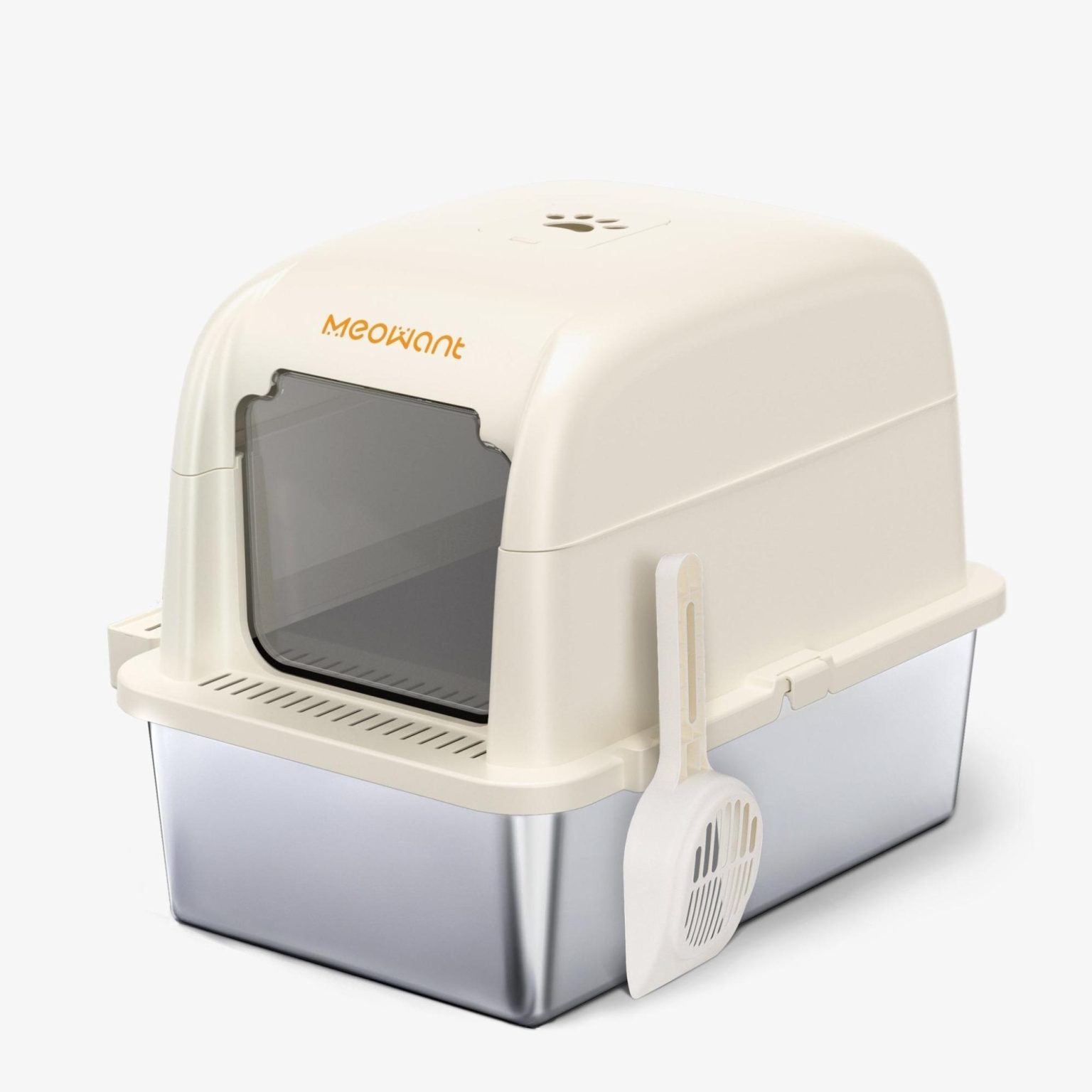

Stainless steel litter boxes have moved from niche specialty shops into mainstream pet retail, and that is mostly good news. The material genuinely solves problems that plastic cannot, especially the slow accumulation of odor in a scratched pan. But the market has also filled with thin pans, sharp edges, and poorly sized boxes that technically say “stainless” on the label while missing the qualities that make the material worth buying. If you are shopping for the first time, the details worth checking are not the ones printed in large type on the product page. They are the dimensions relative to your cat, the gauge of the steel, the way the corners are finished, and how the box behaves once it is full of litter. This checklist walks through those points in the order that helps you rule out bad options quickly.
Start With Size and Cat Fit
The most common mistake is buying a box that looks generous in photos but feels cramped to a cat. A litter box should be roughly one and a half times the length of your cat from nose to base of tail, with enough width for the cat to turn around comfortably. A large adult cat needs more room than the typical plastic pan provides, and a stainless box that is too small will bring back the same problems you were trying to escape: scattered litter, missed aim, and a stressed animal.
Measuring Your Cat, Not Your Shelf
Measure the cat, then measure the space where the box will sit, and choose based on whichever number is more limiting. A high-sided pan holds litter better for diggers, but it can be awkward for an older cat with stiff joints. Low entry and generous floor area are usually the best combination for senior cats. For kittens, avoid anything so deep that reaching the bottom feels like a climb.
Depth and Side Height Tradeoffs
Higher sides keep litter inside, but they also reduce airflow and can make a cautious cat feel enclosed. Many owners find that a mid-height stainless pan with a slightly raised back works well for vigorous diggers. Check whether the box has feet or a rim that could catch litter underneath. A flat base that sits flush on the floor is easier to clean around and less likely to trap debris.
Judge the Steel Itself
Steel thickness is the hardest quality to judge from a photo, and it is where cheaper products tend to cut corners. A thin pan flexes under the weight of litter and a digging cat, and flexing eventually produces dents and stress points. Look for a box that feels rigid when you lift it by one corner. A sturdy stainless steel cat litter box should hold its shape without feeling flimsy, because rigidity is what keeps seams tight and the base level over years of use.
Gauge and Finish
Thicker steel resists denting and stays stable when a cat jumps in. A brushed or matte finish hides scratches better than a mirror polish, which shows every mark even though the marks are harmless. Check that the interior is smooth with no rough patches or weld ridges. Any raised seam inside the box becomes a place where wet litter collects, and that is exactly the problem stainless is supposed to avoid.
Corners, Edges, and Safety
Rounded interior corners are easier to scoop and wipe, and they reduce litter trapped in hard-to-reach angles. Run your hand along the rim. Sharp edges are rare but do appear on budget pans, and they can injure a paw or catch a liner if you use one. Also check the bottom for nonslip pads or a weight distribution that keeps the box from sliding. A steel pan is heavier than plastic, which already helps, but a flat underside is still important.
Think About How It Works With Litter
The box and the litter interact more than most people expect. Stainless steel does not absorb moisture, so urine that reaches the bottom stays on the surface and is easy to wipe up. That is a strength, but it also means the box gives you no margin for litter that is too shallow or that clumps poorly. Choose a clumping litter that forms firm clumps, and fill the pan deep enough that liquid rarely touches the metal. If you use a non-clumping or pellet litter, plan to empty and wash more often, since the steel will not hide any residue.
Some cats slide when they enter a metal box, especially if the litter is fine and shallow. A textured base or a slightly deeper litter layer solves this quickly. Watch your cat for the first few days and adjust rather than assuming the box is wrong for them. A brief transition period is normal, but persistent avoidance usually points to a placement or depth issue rather than the material itself.
Consider how the box handles a cat that digs to the bottom. Vigorous diggers push litter against the sides and sometimes over the rim. A slightly raised lip or a removable hood can reduce the scatter, but both change how easy the box is to clean. The practical compromise is a pan with modestly higher sides and a smooth interior, so litter stays in during digging and wipes out easily afterward. If the box ships with a lid, test whether your cat will use it; many will, but a few strongly prefer open air.
Cleaning and Long-Term Ownership
One of the strongest arguments for steel is how it handles cleaning. You can use warm water, a mild pet-safe soap, and a soft cloth without worrying about warping. Do a full wash every week or two, and rinse thoroughly, since soap residue can put a cat off the box. Avoid abrasive pads that leave scratches, and skip heavy fragranced cleaners that irritate a cat’s nose.
Check the weight and portability before buying. You will lift the box during deep cleans, so a manageable size matters more than the largest pan you can fit. Meowant’s stainless litter boxes use a sturdy build with smooth, rounded interiors, which keeps daily scooping quick and deep cleaning straightforward. A box that is easy to wash is one you will wash on schedule, and that habit does more for odor control than any feature on the packaging.
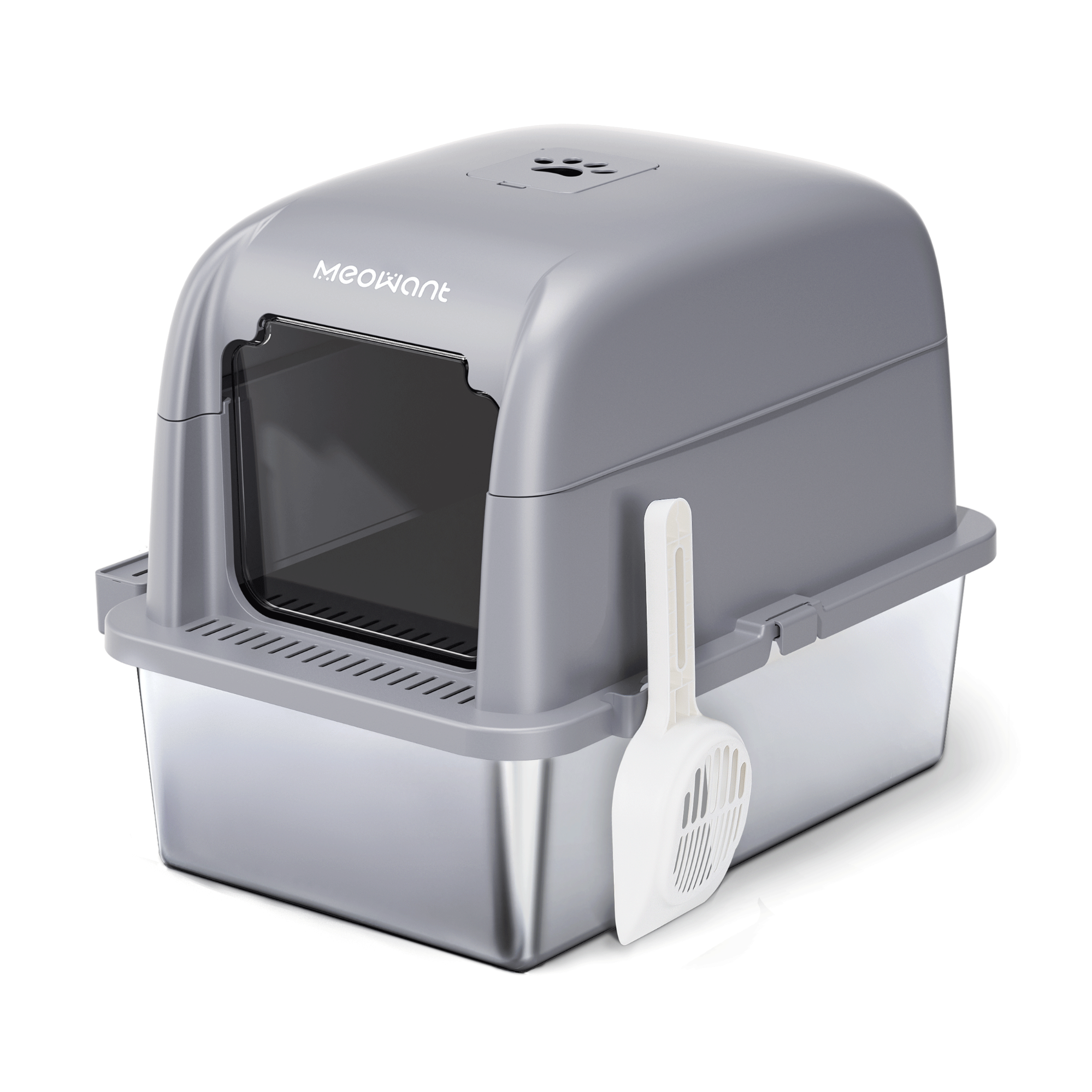
Finally, confirm the return policy and whether the box ships with any accessories. A liner or mat is useful, but only if it fits properly. Do not buy based on a promotional bundle alone; check that the core box meets the size, thickness, and finish standards above.
Where a Stainless Box Fits in a Multi-Cat Home
Households with several cats have different requirements than single-cat homes, and the choice of box material affects both odor and cleanup frequency. Steel boxes earn their keep here because they do not develop the layered smell that plastic does when it is used many times a day. In a busy home, that means the box stays neutral between washes rather than adding to the general odor load of the room.
Plan the number of boxes first. The usual guidance is one box per cat plus one, spread across different areas so no cat can guard a single location. If space is tight, choose boxes that stack or fit along a wall without blocking walkways. Measure the doorway and the path to the laundry room, since you will carry the box for washing. A box that is easy to move gets cleaned more often, and in a multi-cat home that frequency matters more than any single feature.
Keep a spare pan on hand if you can. Swapping in a clean box while the dirty one dries avoids a gap where cats have nowhere to go. Stainless dries quickly and without residual odor, which makes that rotation easy and keeps the routine stable.
Buy Once, Clean Easier
A stainless steel litter box is a long-term purchase, so it is worth spending a little time on the details that affect daily life. Measure your cat before anything else, then check that the steel is thick enough to stay rigid and the interior is smooth with rounded corners. Confirm the box works well with the litter you already use, and make sure it is light enough to lift for weekly washing. Choosing on those points keeps you from paying a premium for a pan that dents, traps litter, or frustrates your cat. Get the basics right, and the material will do exactly what it promises: stay clean, resist odor, and last for years.